
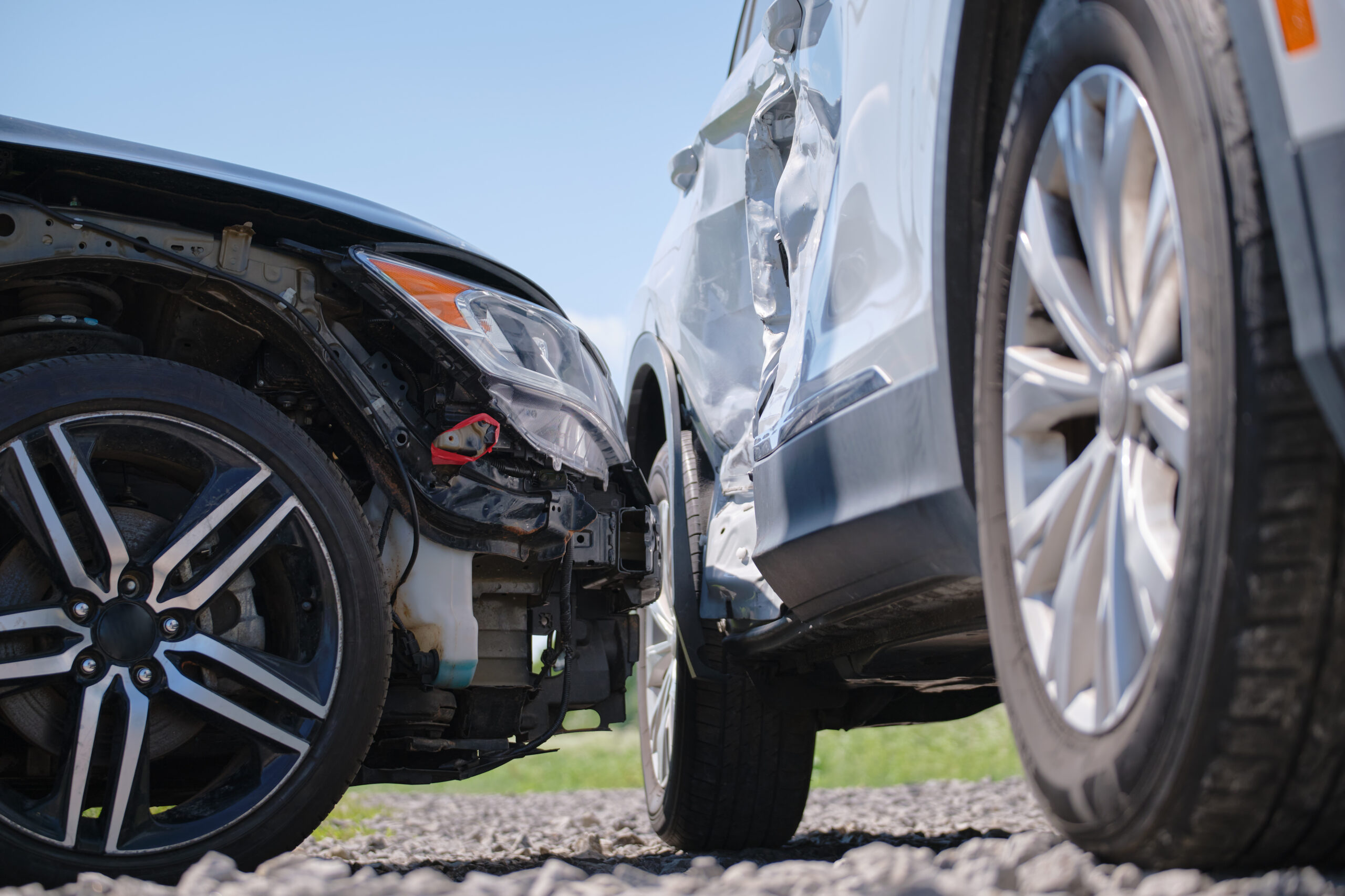
Road rage in Atlanta can turn a routine drive into a serious injury claim. Nearly 8 in 10 U.S. drivers admit to at least one act of aggressive driving in a single year, according to a 2014 AAA Foundation for Traffic Safety survey. For many, that means tailgating or blocking another driver from changing lanes. For a smaller share, it goes further: confronting another driver face to face or ramming a vehicle on purpose. If you were hurt in a road rage crash in Atlanta, your claim raises questions an ordinary collision doesn’t: how a criminal case affects it, whether insurance covers an intentional act, and when Georgia allows punitive damages.
Key Takeaways
- Two separate cases: A road rage crash can lead to a criminal case and a separate civil claim. The two run independently, and the outcome of one doesn’t end the other.
- Punitive damages are the exception: They aren’t standard in an injury claim. They’re available only because Georgia’s civil code expressly authorizes them, and only when the evidence meets that law’s demanding standard.
- Evidence drives your claim: Police reports, dashcam footage, and early witness statements separate a fully documented claim from a lowball insurance offer.
- Deadlines matter: Georgia sets a strict deadline for filing an injury claim, so confirm yours with an attorney early.
What Qualifies as Road Rage Under Georgia Law
The Laws That Apply
Georgia has no statute labeled “road rage.” The conduct usually falls under existing laws. The aggressive driving law targets drivers who deliberately try to intimidate, obstruct, or harm others. Reckless driving laws cover driving that shows a clear disregard for other people’s safety. When a driver uses a vehicle as a weapon, prosecutors may pursue assault charges.
How Common Aggressive Driving Is
The behavior isn’t rare. In the same AAA Foundation survey, about half of drivers admitted to purposely tailgating another vehicle, and one in four had tried to block another driver from changing lanes. A smaller share crossed into road rage: 3.7% got out of their vehicle to confront another driver, and 2.8% bumped or rammed another vehicle on purpose. The researchers note that drivers likely underreport these behaviors, so the true numbers may be higher.
Civil Claims Versus Criminal Charges in Road Rage Cases
Why Your Claim Doesn’t Wait on the Criminal Case
A criminal case punishes the driver. It doesn’t pay your medical bills.
Your civil claim is how you recover money. It carries a lower burden of proof than a criminal case, and it can move forward whether charges are filed, reduced, or dropped. Police reports, bodycam footage, and witness statements from the criminal case can also strengthen it. An Atlanta personal injury lawyer can protect your claim while the criminal case plays out.
When an Employer May Share Responsibility
If the other driver was on the job, the claim may not stop with them. Georgia allows claims against an employer for negligent hiring, retention, or entrustment when the company knew or should have known about warning signs in a driver’s record. Holding an employer responsible for the intentional act itself is harder, because Georgia generally doesn’t make employers answer for conduct an employee commits for purely personal reasons. When an employer claim does apply, it can matter a great deal: federal rules require interstate commercial carriers to carry far higher minimum insurance than Georgia requires of individual drivers.
Recovering Compensation When the Driver Acted Intentionally
Compensation for Your Losses
Like any Atlanta car accident claim, a road rage claim can cover two kinds of losses:
- Financial losses: out-of-pocket medical costs, documented lost wages, vehicle repair or replacement, and expenses like rides to appointments.
- Personal losses: the physical pain and emotional toll of the crash.
Adjusters routinely undervalue what isn’t documented, so keep records of every loss. Pain and suffering is easier to prove when you track how the crash changed your daily life, from sleep problems and anxiety about driving to activities you’ve had to give up.
When Punitive Damages Apply
Punitive damages work differently. They aren’t compensation for your losses, and they aren’t available in an ordinary crash claim. They’re an exception to the usual rules, awarded only because Georgia’s civil code expressly authorizes them for certain kinds of misconduct. Even seriously negligent driving doesn’t qualify on its own. The law requires proof, under a heightened standard, that the driver acted deliberately or with such disregard for others’ safety that it shows they didn’t care about the consequences. Georgia limits punitive awards in most cases, but that limit doesn’t apply when a driver set out to cause harm or was driving impaired.
Dashcam video, text messages, the driver’s prior record, and witness accounts of the driver’s behavior before impact all help build that proof. The same evidence can also affect which insurance exclusions apply.

Confronting the other driver can escalate the danger and hurt your claim. Stay in a safe place, call 911, and let the police report document what happened.
What Should You Do Right After a Road Rage Crash?
At the Scene
- Call 911 and request a police report.
- Don’t engage with the other driver.
- Photograph the scene, vehicle damage, and visible injuries.
- Collect witness contact information, since road rage cases often hinge on competing accounts.
- Get a medical evaluation even if you feel fine, because some injuries aren’t immediately noticeable.
Once You’re Safe
- Write down the other vehicle’s plate number, make, color, and direction of travel.
- Save any dashcam footage right away, since many cameras automatically record over older clips.
- Note nearby businesses that may have security cameras.
- Keep the incident off social media; insurers routinely review claimants’ posts for anything they can use against the claim.
If the crash has already cost you work or medical care, call us at (404) 640-5761.
Your Road Rage Claim Questions, Answered
Does insurance cover intentional acts?
Not always. Many auto policies exclude intentional conduct, so documenting the incident matters. Your own uninsured motorist coverage may help fill the gap.
What if I reacted aggressively, too?
Expect the insurer to review your conduct closely. If you honked, gestured, or sped up in response, the other side may argue you share the blame. Georgia reduces your recovery by your percentage of fault and bars it entirely if you’re found to carry too large a share of the fault, so an accurate record of who escalated matters.
What if the other driver fled the scene?
Report it to the police immediately and give them every detail you recorded. If the driver is never identified, your own uninsured motorist coverage may still provide a path to compensation after a hit-and-run. Georgia sets extra proof requirements for unknown-driver claims: physical contact between the vehicles, or an eyewitness other than you who can corroborate what happened.
How long do I have to file a claim?
Georgia sets a strict deadline for filing an injury claim, and missing it can end your right to recover. Georgia law can pause this deadline for crime victims until a related prosecution ends, but whether it applies depends on the facts. The safest approach is to plan around the standard deadline and confirm it with an attorney as soon as possible.
Talk to Us About Your Road Rage Claim
Road rage claims involve criminal proceedings, punitive damages standards, and insurers looking for exclusions. Learn more about our attorneys, or call (404) 640-5761 for a free consultation.
About the Firm: The Roth Firm, LLC has represented injured Georgia accident victims since 2006, handling car, truck, and other serious injury claims across Atlanta and the surrounding region.