
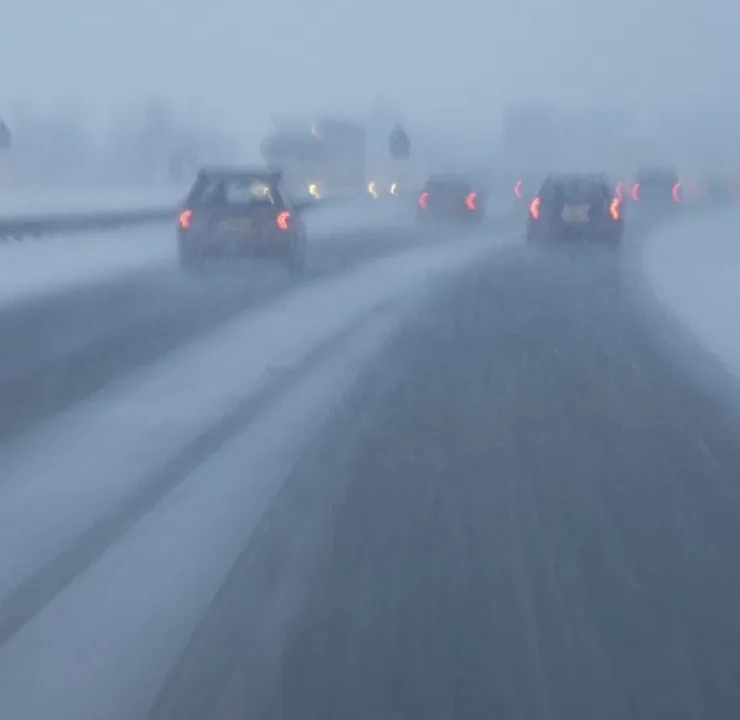
Wrecks in Nashville spike when rare ice storms hit, and roads can turn dangerous in a matter of hours. Ice storms don’t hit Nashville often, but when they do, roads can turn dangerous in a matter of hours. If you’re hurt in a crash on icy roads, three questions usually shape your claim: whether the other driver adjusted to the conditions, whether a government agency or property owner ignored a known hazard, and what your recovery will realistically cost.
Key Takeaways
- Ice is rare here. Nashville averages under five inches of snow a year, so icy driving conditions are relatively uncommon for local drivers.
- “The roads were icy” is not an automatic defense. Tennessee law requires every driver to adjust to road conditions.
- Governments can share responsibility. A city, county, or state agency that ignores a known icy hazard may be liable, but these claims follow special rules, strict deadlines, and recovery limits.
- Deadlines are short. Tennessee gives injured people a short window to file an injury lawsuit, so it pays to act quickly.
Why Rare Winter Storms Catch Nashville Drivers Off Guard
Nashville’s normal annual snowfall is just 4.7 inches, according to NWS Nashville figures reported by WSMV. Because winter weather is uncommon, a single storm can cause widespread road trouble. During a multi-day winter storm in early 2026, the Tennessee Highway Patrol responded to nearly 1,500 crashes statewide, including 278 crashes involving injuries.
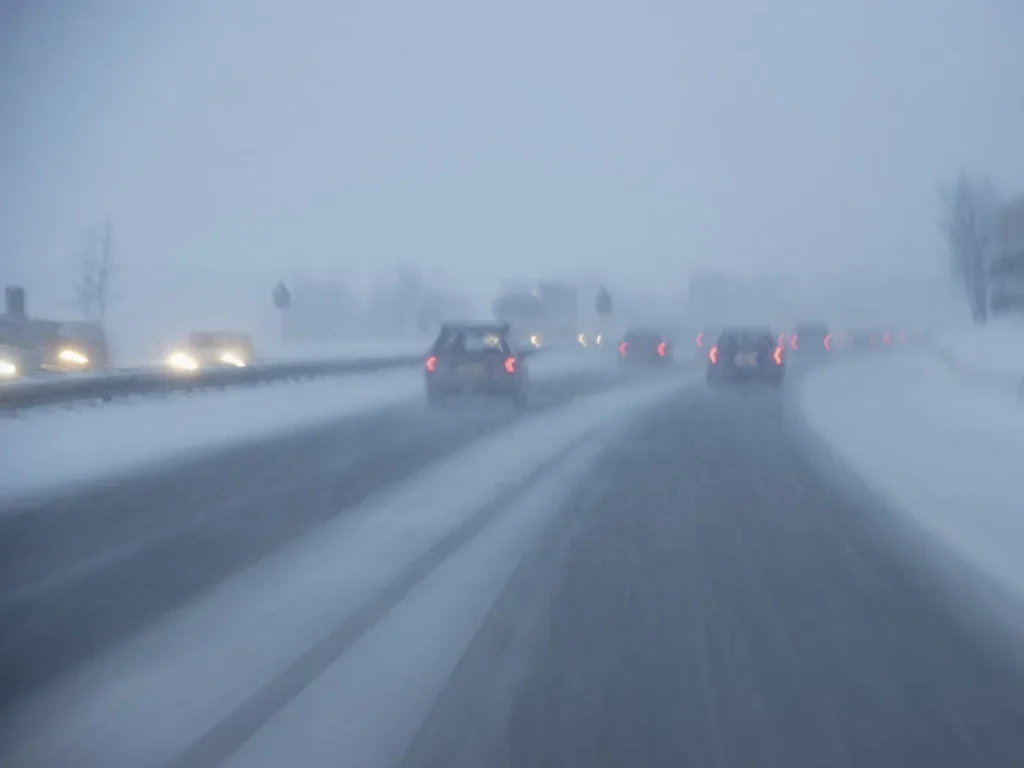
Icy roads don’t excuse unsafe driving. Tennessee law requires every driver to adjust to the conditions.
The Hidden Danger of Refreezing
Snow and ice can melt during the day and refreeze overnight into black ice that drivers may not see. TDOT targets areas especially vulnerable to freezing, such as hills, curves, ramps, bridges, and interchanges.
Proving a Driver Failed to Adjust for Road Conditions
Icy roads are usually not an automatic defense for the other driver. Tennessee’s due care law requires every driver to keep a safe speed, a proper lookout, and control of the vehicle for the conditions at hand. The posted speed limit is not a safe harbor. On an icy road, a legal speed can still be unsafe, and that failure to adjust is often the foundation of a Nashville car accident claim.
What Evidence Helps Prove It?
- Weather and road-condition records from the National Weather Service or TDOT showing ice was reported before the crash
- Police crash reports noting road surface conditions and the officer’s observations
- Dashcam or traffic camera footage showing speed and following distance
- Witness statements describing how the at-fault driver was behaving
How Shared Fault Affects Your Claim
Tennessee uses a modified comparative fault system. Your compensation shrinks by your share of the blame, and if your share is as large as or larger than the other driver’s, you recover nothing.
Talking to the Insurance Adjuster
If an adjuster calls, The Roth Firm’s Nashville team advises sharing only the basics: when, where, and who was involved. Don’t discuss fault or your injuries until you’ve spoken with a lawyer.
City and County Liability for Unsalted or Untreated Roads
A city or county government may share responsibility if it knew, or should have known, about a dangerous icy stretch and failed to treat it or warn drivers.
What a Claim Must Show
A successful claim usually requires showing that:
- a specific hazard existed;
- the responsible government knew or should have known about it;
- it had a reasonable chance to fix the hazard but didn’t; and
- that condition directly caused the crash.
How Claims Against Metro Nashville Work
The road maintainer determines the process. Claims against the Metropolitan Government of Nashville and Davidson County fall under the Tennessee Governmental Tort Liability Act. That law allows claims over a dangerous street only when the government knew or should have known about the condition. It also sets a strict filing deadline and limits how much you can recover.
What If the Road Is State-Maintained?
Interstates and state routes are maintained by TDOT, not Metro. In January 2026, TDOT reported having about 231,000 tons of salt and more than 1.3 million gallons of brine ready for use, and its crews focus first on interstates and heavily traveled state routes.
Claims involving state-maintained highways start with a written claim to the Tennessee Treasury’s Division of Claims and Risk Management, which reviews it before it can move to the Tennessee Claims Commission. You must show that the risk was foreseeable and that the proper state officials had notice in time to act. The state also limits how much any one claimant can recover.
What About Falls on Icy Parking Lots and Sidewalks?
A fall on an untreated parking lot, walkway, or business entrance raises a different question: did the property owner clear, salt, or warn visitors within a reasonable time after the storm?
What Compensation Can You Recover?
The effects of an ice storm crash can last long after the ice melts. A Nashville ice storm injury claim is built on documented, real-world losses:
- Medical costs: emergency care, follow-up treatment, and physical therapy
- Out-of-pocket expenses: prescriptions, medical equipment, and travel to appointments
- Lost income: documented lost wages and any long-term loss of earning ability
- Property loss: vehicle repair or replacement
- Human losses: pain, suffering, and the limits the injury places on daily life
Limits on Pain and Suffering
In claims against private parties, Tennessee does not limit recovery for financial losses like medical bills and lost wages. It does limit compensation for pain and suffering and similar losses, with a higher limit for the most catastrophic injuries and narrow exceptions, such as when the at-fault driver was impaired by drugs or alcohol. Claims against government entities follow separate rules that limit total recovery.
Punitive Damages Are the Exception
Punitive damages punish a wrongdoer rather than compensate you, and they are an exception to the rule, not a standard part of an injury claim. They are awarded only when a specific statute expressly authorizes them. In Tennessee, that authority comes from the Tennessee Civil Justice Act, which sets a demanding standard of proof for serious misconduct and generally caps the amount. Ordinary carelessness on icy roads, even serious carelessness, usually won’t qualify.
How Soon Should You Talk to a Lawyer?
As soon as possible. Tennessee gives injured people a short window to file an injury lawsuit, generally measured from the date of the crash. That window can be longer in limited situations, such as when the at-fault driver faces criminal charges, though a city traffic ticket generally does not count. Claims against local governments and the state have their own strict deadlines and notice requirements, and property damage claims follow a separate deadline.
Evidence can disappear quickly, and government claim rules are strict. Talk with The Roth Firm’s Nashville car accident lawyers about everyone who may share responsibility for your crash. Call (404) 640-5761 for a free case review.
Frequently Asked Questions
What should I tell the insurance adjuster after an ice storm crash?
Share only when, where, and who was involved. Don’t discuss fault or your injuries until you’ve spoken with a lawyer.
Does it matter if my crash happened on an interstate?
A claim against the other driver works the same way. A road-condition claim on an interstate or state route goes through the state’s claims process instead of a lawsuit against a local government.
Should I accept the insurer’s first offer?
Not before getting advice. An early offer may not reflect the full cost of your injury, especially if your treatment is still ongoing.