
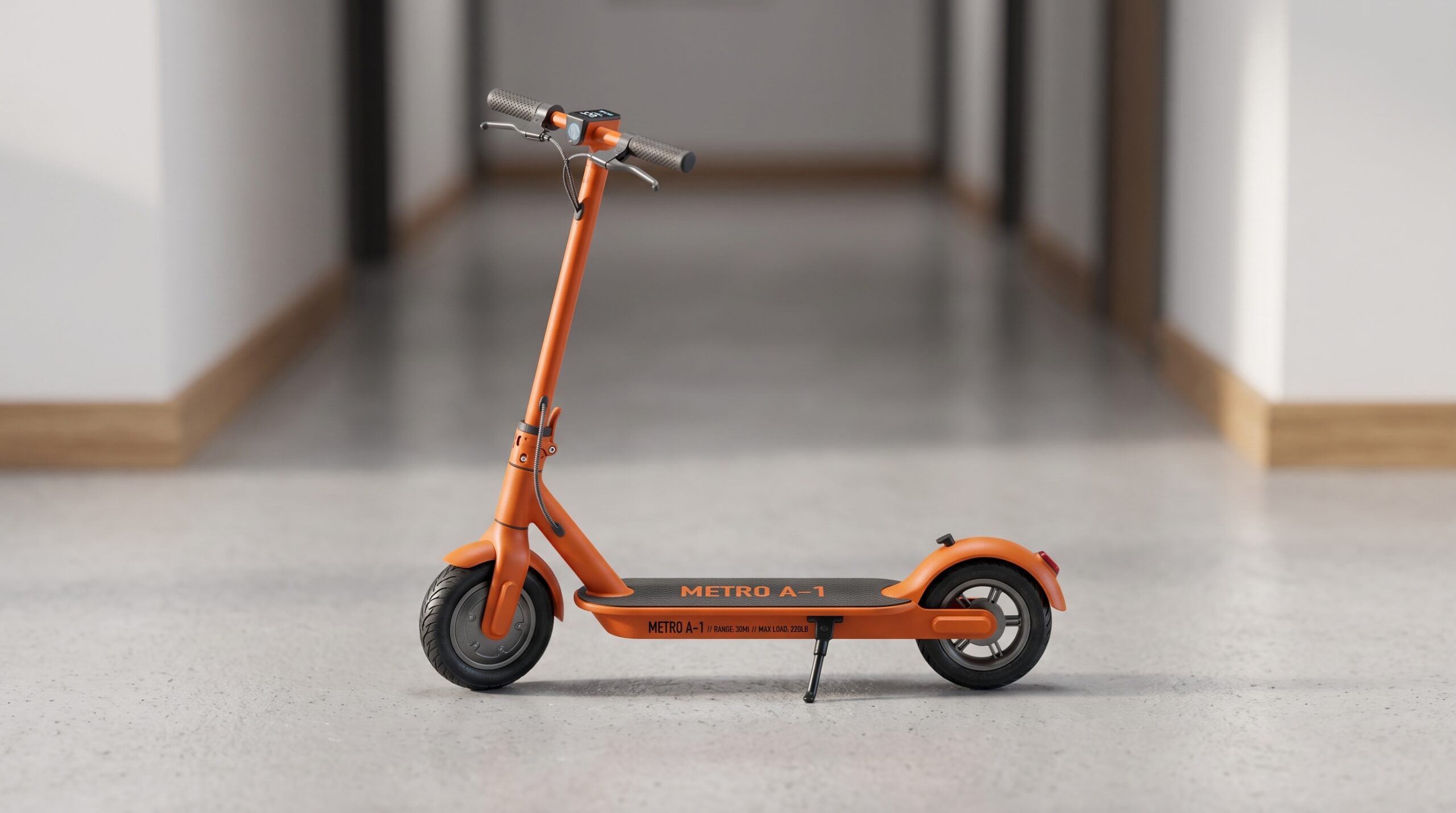
A Bird or Lime scooter crash on Broadway or in the Gulch can put liability on the rider, the scooter company, a negligent driver, or Metro Nashville, sometimes all four at once. Tennessee’s click-through rental waiver can’t erase liability for reckless conduct, and the state’s one-year filing deadline starts the day of the crash, not the day you finish treatment, so talk to The Roth Firm before that clock runs out.
Key Takeaways
- Liability almost always splits across multiple parties, so identifying every one of them, not just the driver who hit you, changes what you can recover.
- Tennessee follows a fault-sharing rule that bars recovery only once you’re found 50% or more at fault, so a partially-your-fault crash can still pay out.
- You generally have one year to sue a private party, though claims against a city or local government often come with a shorter notice deadline and different rules.
Who Can Be Held Liable in an E-Scooter Accident
Bird, Lime, and Spin operate in Nashville under the Metro Transportation Licensing Commission’s Shared Bike and Scooter Program, which sets the geofenced rules each company must follow. Our Nashville pedestrian and scooter accident attorneys determine which party broke which rule in every case like this.
Rental e-scooters operate under Nashville’s Shared Bike and Scooter Program; liability can fall on the rider, the company, or the city.
The Scooter Company
Bird or Lime is liable when the crash traces back to defective brakes, a throttle malfunction, deferred maintenance, or a failure to enforce Metro’s geofencing and curfew rules. A defective-device claim and a maintenance-negligence claim require different evidence, so get photos of the scooter’s serial number and physical condition before it disappears back into the company’s fleet.
A Negligent Driver
Broadway, the Gulch, and Music Row see constant scooter-vehicle conflicts at intersections and blind driveways, the same right-of-way failures behind the city’s vehicle-versus-pedestrian crashes. A driver who fails to yield, opens a car door into a bike lane, or runs a red light is liable under ordinary Tennessee negligence law, same as in any other collision.
Metro Nashville
A pothole, missing bike-lane striping, or a malfunctioning signal can shift partial liability to the city. Claims against a government entity generally run on a separate, shorter deadline than claims against a private party, and punitive damages are generally barred outright against the city.
Another Rider or a Pedestrian
Multi-scooter pileups in downtown corrals and rider-pedestrian collisions on sidewalks create a direct negligence claim against the individual, not the company.
Scooter Company Waivers and Their Limits Under Tennessee Law
Every Bird and Lime rider clicks through a liability waiver before the app unlocks the scooter.
What the Waiver Actually Covers
Tennessee courts enforce these agreements in ordinary negligence claims, applying the three-factor test from Copeland v. HealthSouth/Methodist Rehabilitation Hospital, 565 S.W.3d 260 (Tenn. 2018): the parties’ bargaining power, the clarity of the waiver’s wording, and whether enforcement would violate public policy.
What No Waiver Can Erase
Under Adams v. Roark, 686 S.W.2d 73 (Tenn. 1985), a company cannot contract away liability for reckless or intentional conduct; the app’s terms of service don’t change that. A scooter deployed with a known brake defect or left in service after repeated maintenance complaints falls outside the scope of the waiver.
Nashville’s Permit Rules Double as Evidence
Metro’s program requires geofenced slow zones, no-ride zones, and no-parking zones, fleet caps per operator, and a nightly shutoff curfew. A scooter still live during an active event-zone lockout, or operating past curfew, is a documented permit violation, proof the company breached its own regulatory duty, separate from any waiver argument.
The Long-Term Reality No Adjuster Puts a Number On
Scooter riders have no seatbelt, airbag, or structural protection at 15-20 mph, which is why these crashes disproportionately produce wrist fractures, facial trauma, and traumatic brain injuries.
What the Emergency Room Bill Doesn’t Capture
- Missed shifts while a dominant-hand fracture heals
- Follow-up imaging insurers routinely delay authorizing
- Physical therapy that runs months past the insurer’s first settlement offer
- TBI cognitive symptoms that surface weeks after the ER visit, not during it
Adjusters price claims off that first ER visit. Documenting the months of care that follow is what closes the gap between their number and your actual cost.
How Comparative Fault and the Filing Deadline Shape Your Payout
Tennessee’s modified comparative fault system, as articulated in McIntyre v. Balentine, 833 S.W.2d 52 (Tenn. 1992), reduces your recovery by your percentage of fault, but doesn’t eliminate it until that share reaches 50%. Punitive damages, where a jury finds malicious, intentional, fraudulent, or reckless conduct by clear and convincing evidence, are capped under Tenn. Code Ann. § 29-39-104 at twice the compensatory award or $500,000, whichever is greater.
Steps to Take After a Scooter Collision in Nashville
- Get medical care immediately, even for injuries that feel minor. TBI and soft-tissue symptoms often surface late.
- Photograph the scooter’s serial number, brake condition, and the crash scene before the device is collected.
- Report the crash through hubNashville and get the police report number.
- Save the rental app’s ride receipt and any in-app crash notification.
- Don’t sign anything from the scooter company’s insurer before talking to a lawyer.
Frequently Asked Questions
Does Nashville have the authority to regulate e-scooters differently than the rest of Tennessee?
Yes. Tennessee’s state scooter statute, Tenn. Code Ann. § 55-8-208, expressly lets Metro Nashville and other local governments regulate, restrict, or ban e-scooter use within their own boundaries, so long as the ordinance is reasonably related to rider, pedestrian, and motorist safety. That’s the legal authority behind Nashville’s sidewalk restrictions, geofenced slow zones, and nightly curfew, and why a documented curfew or geofencing violation carries real weight in a liability claim.
How common are e-scooter injuries like mine?
More common than most riders assume. The U.S. Consumer Product Safety Commission’s 2024 micromobility injury report logged roughly 360,800 emergency department visits tied to e-scooters, e-bikes, and similar devices nationwide between 2017 and 2022, with fractures as the single most common injury and the head, neck, and limbs the most frequently affected areas. That national pattern matches what plays out on Nashville’s tourist corridors: wrist and head trauma are the injuries insurers most often undervalue.
Can I still recover damages if I wasn’t wearing a helmet?
Usually, yes. Not wearing a helmet can factor into Tennessee’s comparative fault analysis, but it doesn’t automatically bar your claim; the driver, company, or city can still carry the majority of fault even if your own conduct gets weighed at some percentage under the 50% rule described above.
What if Bird or Lime blames the crash entirely on me?
That’s the default position of most rental-company insurers, and it’s exactly why documenting the scooter’s condition, the crash scene, and any permit violations (curfew, geofencing, maintenance history) matters before evidence disappears.
Talk to a Nashville Scooter Injury Attorney Before the Clock Runs Out
Whichever party caused your crash, the clock is already running. The Roth Firm, LLC built its Georgia and Tennessee personal injury practice on claims exactly like this one. Learn more about our attorneys or contact The Roth Firm today for a free scooter accident case review.